How to Do Superscript in Google Docs (Shortcut & Equations)
If you need to write a number, letter, or symbol slightly above the normal line of text, you can use superscript in Google Docs. Superscript is commonly used for mathematical powers, ordinal numbers such as 1st and 4th, and references or citations.
Google Docs includes a built-in superscript option, so you don’t need to manually change the font size or position the text yourself.
How to Do Superscript in Google Docs Using the Format Menu
The easiest way to add superscript in Google Docs is through the Format menu.
- Open your document in Google Docs.
- Type the text you want to make superscript.
- Select the character, number, or word.
- Click Format in the top menu.
- Select Text.
- Click Superscript.

The selected text now appears raised above the baseline in a smaller font size. To remove superscript formatting, select the text and repeat the same steps — clicking Superscript again toggles it off.
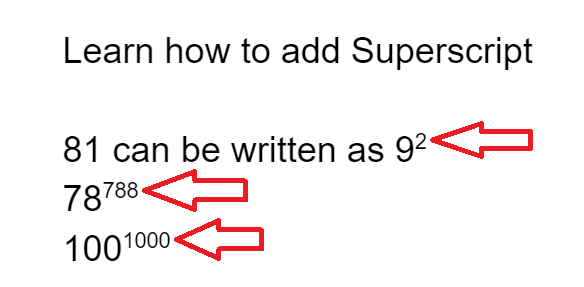
For example, if you type x2 and apply superscript to the 2, it will appear as x².
Superscript Shortcut Google Docs
This is the quickest way to apply superscript in Google Docs on desktop.
- Select the text you want to raise.
- Press the superscript shortcut:
- Windows / Chrome OS: Ctrl + . (period)
- Mac: ⌘ Command + . (period)
- The selected text instantly becomes superscript.
Press the same shortcut again to toggle superscript off and return to normal text.
How to Type Superscript in Google Docs Without Selecting Text
If you’re wondering how to type superscript in Google Docs, you can turn superscript on before typing.
Place your cursor where you want the superscript text, then use the superscript shortcut. Type your character or number, and then use the shortcut again to turn superscript off.
For example, to type x²:
- Type
x. - Turn on superscript.
- Type
2. - Turn superscript off.
You can also select text that you’ve already typed and apply superscript from the Format > Text > Superscript menu.
How to Turn Off Superscript in Google Docs
If your text keeps appearing above the normal line, superscript may still be enabled.
To turn it off:
- Place your cursor in the superscript text.
- Use the superscript shortcut again, or
- Go to Format > Text > Superscript.
If you have already typed superscript text, you can also select it and click Superscript again to return it to normal formatting.
How to Use Superscript in a Google Docs Equation
If you are working with mathematical equations rather than inline text, use the built-in Equation Editor.
- Click Insert in the top menu.
- Select Equation.
- An equation toolbar appears. Type your base value (e.g.,
x). - Press Shift + 6 (the
^symbol) to enter superscript mode inside the equation. - Type your exponent or superscript value.
- Press Enter or click outside the equation box when finished.
Tip: The Equation Editor is best for multi-level formulas like x² + y² = z². For simple inline formatting like footnote numbers or ordinals (1st, 2nd), the shortcut or Format menu is quicker.
How to Insert Superscript Characters Using Special Characters
If you want to insert a specific superscript character directly (rather than formatting existing text), Google Docs has built-in superscript Unicode characters:
- Click Insert > Special characters.
- Type “superscript” in the search box.
- Click the character you need (², ³, ¹, etc.) to insert it at your cursor.
This is handy for one-off symbols where you don’t want to toggle formatting on and off.
Superscript on Mobile (Google Docs App)
There’s no keyboard shortcut on iOS or Android. Instead:
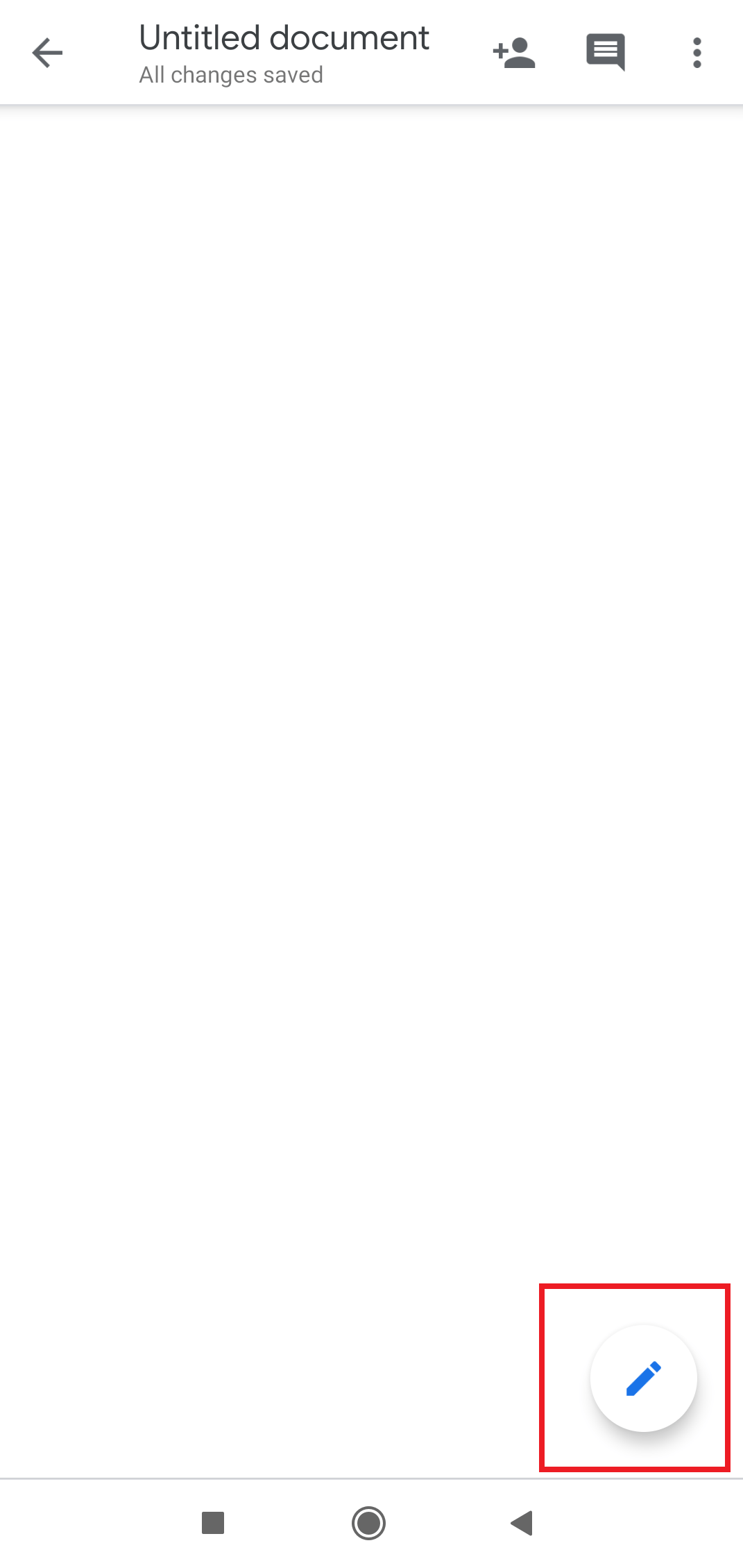
- Open the app and tap the pencil icon to enter Edit mode.
- Highlight the text you want to superscript.
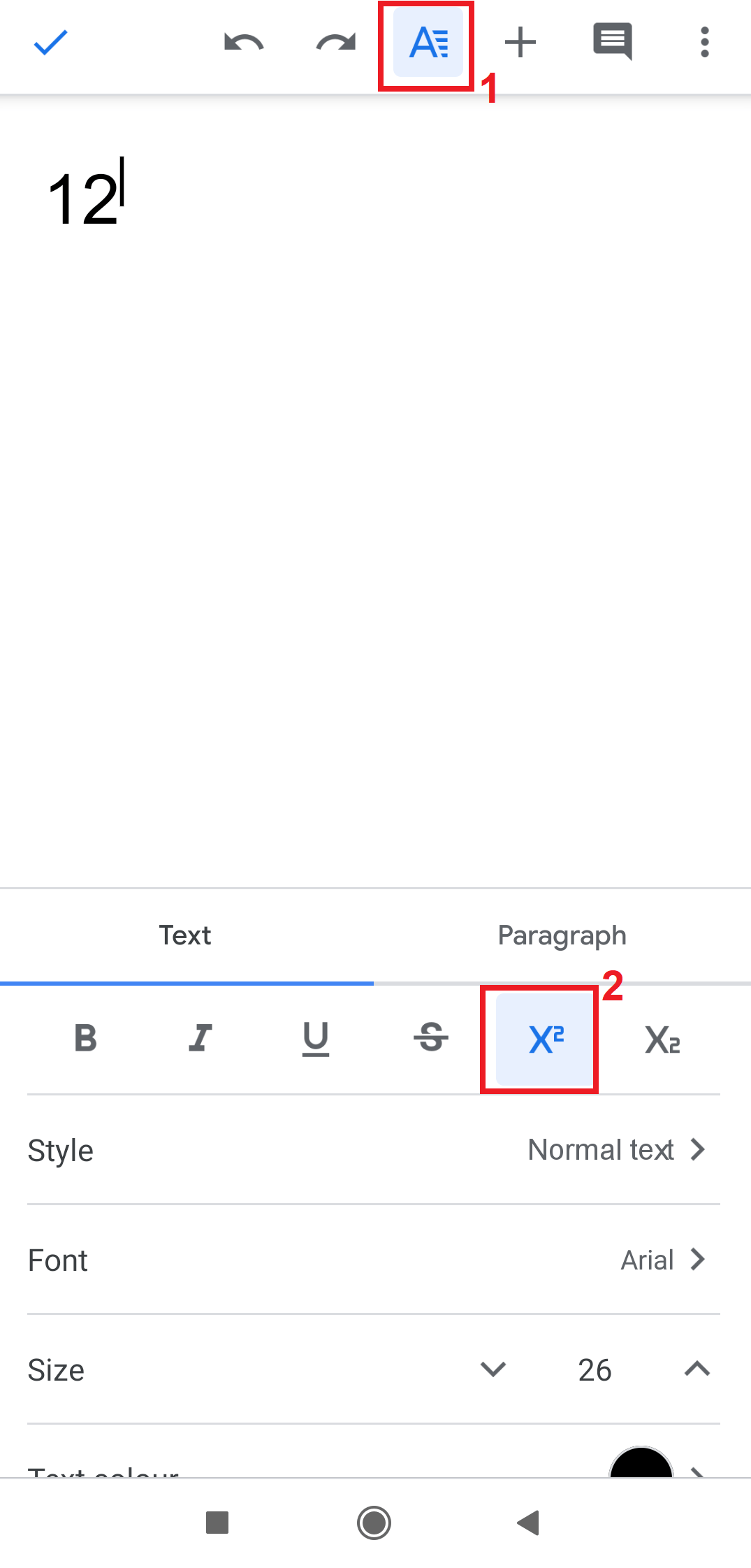
- Tap the Format button (the “A” with lines) in the toolbar.
- Under the Text tab, tap X².
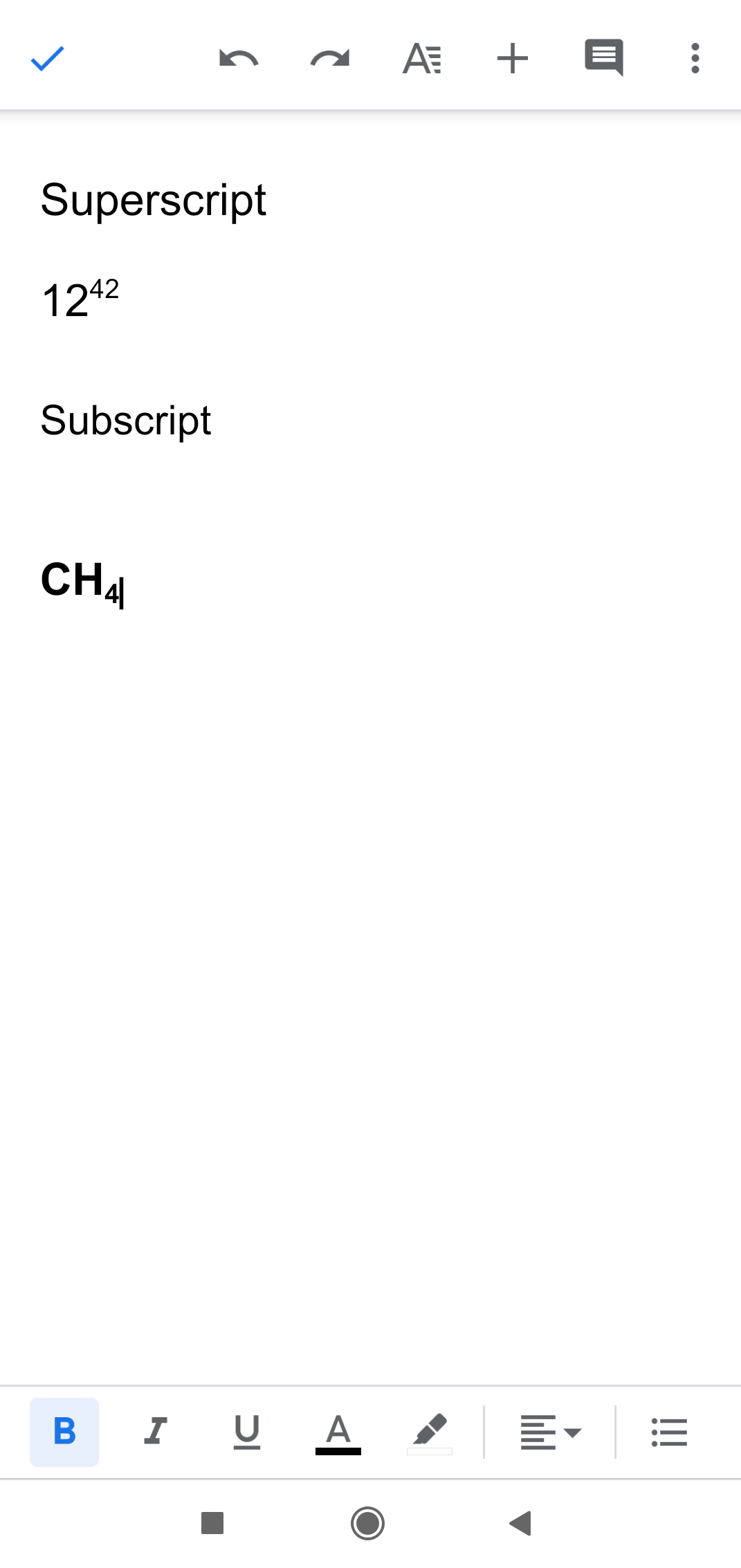
- The text becomes superscript. Tap X² again to remove it.
Note: you can’t insert a new equation from the mobile app, but you can edit superscript/subscript values inside an equation that was created on desktop.
How to Add a Superscript Ordinal Number
Superscript can also be used for ordinal numbers, such as:
- 1ˢᵗ
- 2ⁿᵈ
- 3ʳᵈ
- 4ᵗʰ
To create one, type the complete number and letters first, select the letters you want to raise, and apply Superscript.
For example, select th in 4th and apply superscript to create a raised ordinal ending.
Why Isn’t Superscript Working in Google Docs?
If superscript isn’t working, check the following:
- Make sure you selected the text before applying the formatting.
- Try Format > Text > Superscript instead of the keyboard shortcut.
- Check that you’re using the correct shortcut for your operating system.
- If you’re typing new text, make sure superscript is turned off when you want to return to normal text.
If the shortcut doesn’t work, the menu option is the simplest alternative.
Superscript vs. Subscript in Google Docs
Superscript and subscript are different formatting options.
Superscript places text above the normal line:
x²
Subscript places text below the normal line:
H₂O
If you need to place a character below the line instead, see our guide on how to do subscript in Google Docs.
Frequently Asked Questions
What is the shortcut for superscript in Google Docs?
On Windows and ChromeOS, select the text and press Ctrl + . On Mac, use ⌘ + ..
How do I make text superscript in Google Docs?
Select the text, then go to Format > Text > Superscript. You can also use the keyboard shortcut.
Can I superscript a single character?
Yes. Select just the character or number you want to raise and apply superscript.
How do I write a power such as x² in Google Docs?
Type x2, select the 2, and apply superscript. You can also turn on superscript before typing the 2.
Can I use superscript on numbers?
Yes. Google Docs allows you to apply superscript formatting to numbers, letters, symbols, and other text.
Conclusion
Adding superscript in Google Docs only takes a few seconds. Select the text and use Format > Text > Superscript, or use the keyboard shortcut for faster formatting.
For occasional use, the Format menu is simple and reliable. If you frequently write mathematical expressions, ordinal numbers, or citations, learning the Google Docs superscript shortcut can save time.
- How to Type Exponents in Google Docs
- How to Insert Special Characters in Google Docs
- How to Check Word Count in Google Docs
- How to Highlight Text in Google Docs