How to Show and Switch Tabs In Full Screen Chrome
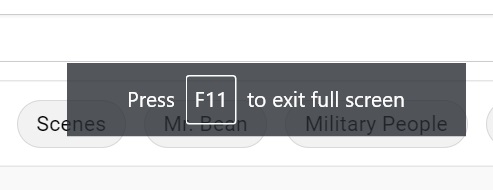
Running Google Chrome in full-screen mode is the ultimate way to eliminate desktop distractions, maximize vertical real estate, and focus on your workspace. However, entering full screen hides the tab strip, bookmarks bar, and address bar entirely.
Learning how to switch tabs in full screen Chrome matters because the method varies significantly depending on your operating system — understanding that difference up front saves a lot of frustration.
The Critical Platform Difference: Mouse Hover vs. Shortcuts
Before learning the shortcuts, it’s worth addressing the most common frustration users run into:
- On Windows & Linux: Moving your mouse cursor to the top of the screen does not reveal your hidden tabs. This is an intentional platform design choice, not a bug — you must use keyboard shortcuts to change tabs, or exit full screen completely.
- On macOS & ChromeOS: Moving your mouse cursor to the very top edge of the screen temporarily slides the address bar and tab strip back into view.
How to Switch Tabs in Full Screen Chrome Using the Keyboard
Since Windows keeps tabs completely hidden, and reaching for a trackpad on Mac or ChromeOS can slow you down, these shortcuts are the most efficient way to navigate your open pages regardless of platform.
Cycle Through Tabs Sequentially
- Move to the next tab (left to right): Ctrl + Tab (Mac: Cmd + Option + Right Arrow)
- Move to the previous tab (right to left): Ctrl + Shift + Tab (Mac: Cmd + Option + Left Arrow)
If you only have two tabs open, Ctrl + Tab acts as a quick toggle to flip back and forth between them.
Jump Directly to a Specific Tab
If you know the layout of your tabs, you can bypass sequential cycling entirely:
- Ctrl + 1 through Ctrl + 8 (Mac: Cmd + 1 through Cmd + 8) jumps directly to the tab in that exact position from the left.
- Ctrl + 9 (Mac: Cmd + 9) instantly jumps to the last tab on the far right, no matter how many tabs you have open — it does not mean “the 9th tab.”
Managing and Restoring Tabs Without Leaving Full Screen
You don’t need to drop out of full-screen mode just to open a new page, close a tab, or recover one you closed by accident:
| Action | Windows / Linux | Mac | ChromeOS |
|---|---|---|---|
| Open a new tab | Ctrl + T | Cmd + T | Ctrl + T |
| Close current tab | Ctrl + W | Cmd + W | Ctrl + W |
| Restore last closed tab | Ctrl + Shift + T | Cmd + Shift + T | Ctrl + Shift + T |
Mac and Chromebook-Specific Adjustments
macOS: Keep the Toolbar Permanently Visible
If you’d rather not rely on the default hover-to-reveal behavior on Mac, you can pin the toolbar so it never disappears:
- Enter full screen (Cmd + Ctrl + F).
- Move your mouse up to reveal the Apple system menu bar.
- Click View.
- Check Always Show Toolbar in Full Screen.
ChromeOS: Immersive Full Screen
On a Chromebook, full screen triggers an “immersive” layout — the tab strip collapses into a thin, distraction-free line at the very top of the screen. You can either use the trackpad to mouse up and expand the bar, or use the standard Ctrl shortcuts listed above.
FAQ About Tabs in Full Screen Chrome
How do I switch tabs in full screen Chrome?
To switch tabs in full screen Chrome, use Ctrl + Tab (Mac: Cmd + Option + Right Arrow) to move forward, or Ctrl + 1 through Ctrl + 9 to jump directly to a tab position. Mouse hovering only reveals the tab bar on Mac and ChromeOS — on Windows and Linux, keyboard shortcuts are required.
Does hovering the mouse show tabs in Chrome full screen?
Only on Mac and ChromeOS. On Windows or Linux, hovering your mouse at the top edge of the screen does nothing.
What does the Ctrl + 9 shortcut do?
It’s a fixed command that instantly takes you to your rightmost tab. Even with 50 tabs open, Ctrl + 9 bypasses them all and lands on the very last one.
Does the tab restoration shortcut work in other browsers?
Yes — Ctrl + Shift + T (Mac: Cmd + Shift + T) is a universal browser standard. It works the same way whether you need to restore tabs in Chrome, Edge, or Firefox.
Closed a tab by accident? See how to restore tabs and your last session in Chrome, or the equivalent steps to restore tabs in Firefox.