How to Factory Reset Windows 10 (Reset This PC Guide)
operating system reinstall is the most efficient solution. The native Reset this PC tool in Windows 10 automates this recovery process.
Using Reset this PC removes digital clutter, resolves persistent system errors, and eliminates deeply embedded malware. It provides a clean, factory-state operating system install while giving you full control over your personal data files.
This comprehensive technical guide explains how Reset this PC works, how to run it step-by-step, and how to bypass password restrictions if you are locked out of your device.
What Does Reset This PC Do in Windows 10?
When you choose the “Reset this PC” option in Windows 10, the system basically reinstalls itself. You’ll be given two reset choices:
- Keep my files – Windows gets reinstalled, but your personal documents, photos, and music stay untouched. However, apps and custom settings will be removed. This is useful if you just want a quick Windows reset without losing your data.
- Remove everything – This is a full factory reset of your computer. It wipes out all apps, settings, and personal files, restoring your PC to its default state. When most people talk about doing a reset to factory settings, this is the option they mean.
When you reset Windows 10, you’ll also be asked how you want to reinstall the operating system. There are two main options:
- Cloud download – This downloads a fresh copy of Windows 10 directly from Microsoft’s servers. It requires an internet connection and roughly 4GB of data. This is the best choice if your system files are corrupted or if you’ve been dealing with malware.
- Local reinstall – This uses recovery files already stored on your PC. It’s faster and doesn’t need internet, making it a good option for a quick factory reset of your PC.
Pro Tip: If your system files are damaged or you’ve had malware, go with Cloud download. If you just want a quick reset, Local reinstall is usually fine.
When Should You Use Reset This PC?
Resetting a computer isn’t something you do casually. But there are certain times when it’s the smartest (and fastest) solution:
- Performance issues – Your PC has become unbearably slow or freezes often.
- Virus or malware infection – A reset wipes out malicious software.
- Digital clutter – You’ve got years of unused apps, settings, and random files.
- System instability – Frequent crashes, blue screen errors, or corrupted files.
- Selling or donating your PC – A full wipe ensures no one can access your personal data.
If any of these sound familiar, using the Reset this PC feature may be the best way to get a clean slate and restore your computer to peak performance. If you only want to clear space rather than reinstall anything, skip ahead to the lighter-weight Disk Cleanup and Disk Management methods further down.
Before You Reset: Must-Do Checklist
Resetting your PC is a big step, so don’t just dive in. Here’s what you need to do first:
- Back up your files – Save your important documents, photos, and videos to an external drive or a cloud service like OneDrive or Google Drive.
- Check software licenses – Programs like Microsoft Office, Adobe, or paid apps may need reactivation after the reset. Make sure you have the keys or login details handy.
- Unplug extras – Remove USB drives, printers, and other peripherals.
- Keep your laptop plugged in – Resetting can take an hour or more, and you don’t want your battery dying mid-process.
- (Optional) Create a system restore point – If you want a safety net, set up a system restore point so you can roll back if something doesn’t go as planned.
Step-by-Step: How to Run Reset This PC in Windows 10
Alright, let’s get into the actual process. Here’s the step-by-step guide to factory reset your computer:
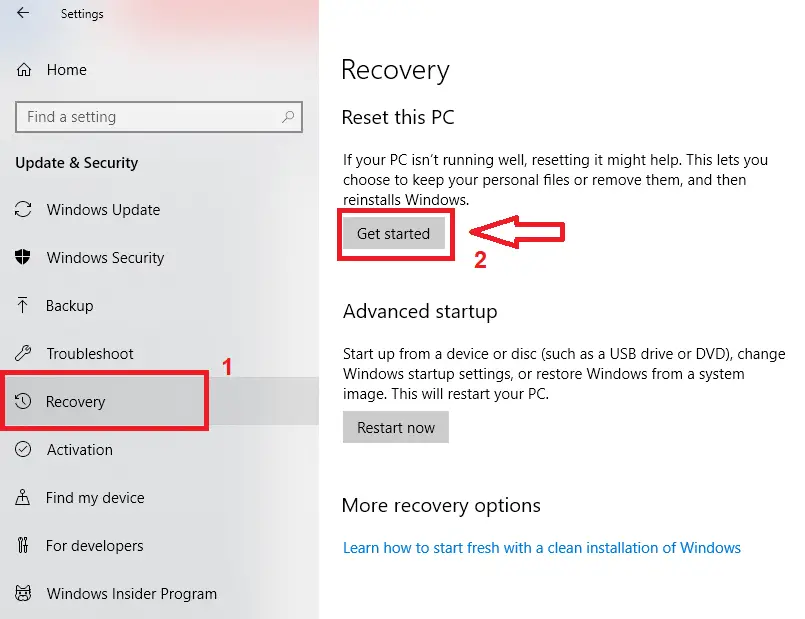
Step 1: Open Recovery Settings
- Press Windows key + I to open the Settings app.
- Click Update & Security.
- Select Recovery from the sidebar.
- Under “Reset this PC,” click the Get started button.
Step 2: Choose Your Reset Option
Windows will now ask how you want to reset:
- Keep my files – Reinstalls Windows but keeps your personal files (documents, photos, etc.). Apps and settings will be removed.
- Remove everything – Wipes everything and does a full factory reset PC.
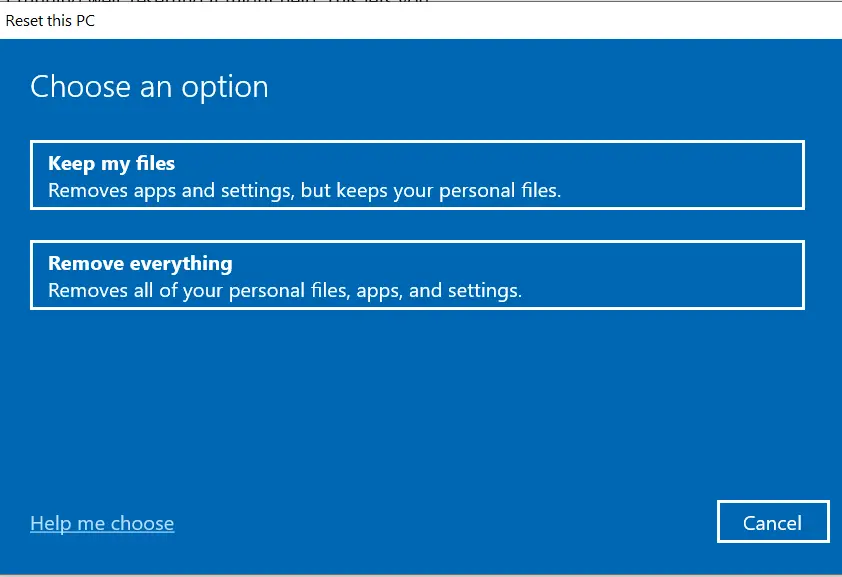
If you’re selling your laptop or want a total fresh start, go with Remove everything.
Step 3: Choose Which Drives to Wipe
If you selected Remove everything, Windows will next ask which drives to include:
- Only the drive where Windows is installed – Resets only the C: drive. This is what most people want, since it wipes your data without touching anything stored on other partitions.
- All drives – Wipes every partition (C:, D:, E:, etc.). Use this if you’re getting rid of the whole PC.
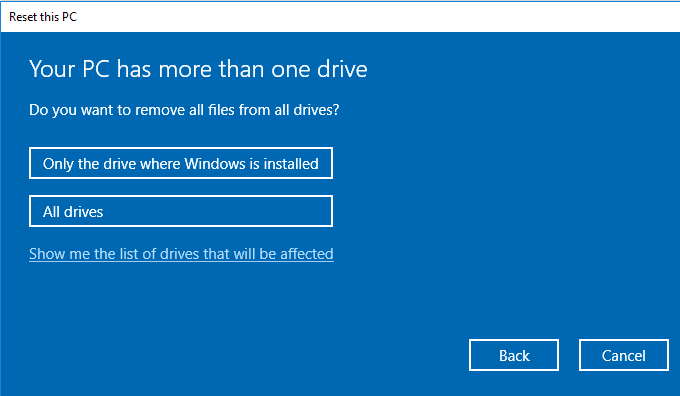
You can click Show me the list of drives that will be affected to double-check before proceeding.
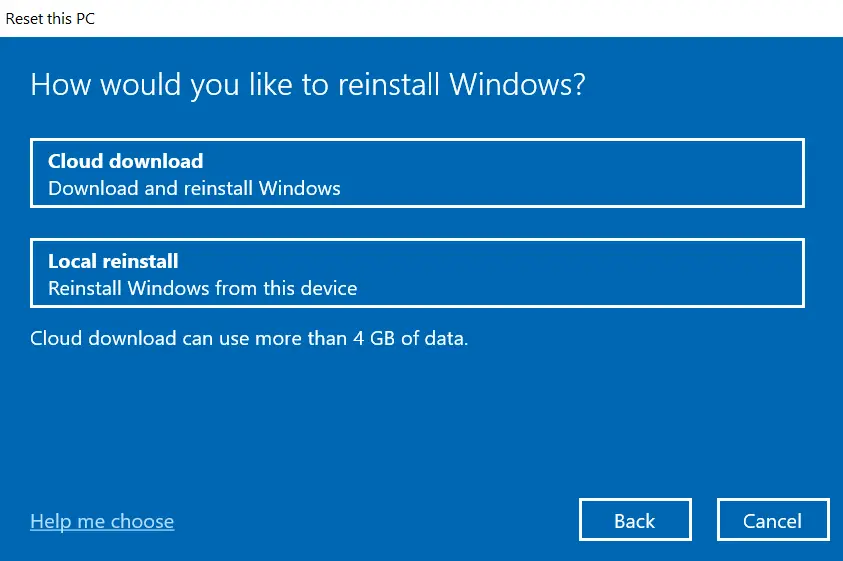
Step 4: Choose Reinstall Method
Select Cloud download to pull uncorrupted files online, or choose Local reinstall for a faster offline process.
Step 5: Confirm and Reset
Windows will give you a summary of what’s about to happen. Review it carefully, then hit Reset.
Your PC will restart and the reset process will begin. This can take anywhere from 30 minutes to 2 hours, depending on your system speed.
How to Factory Reset Windows 10 Without a Password
What if you’ve forgotten your administrator password? Good news—you can still reset Windows 10.
Step 1: Open Settings (If Accessible)
- Log in with another account.
- Open Settings > Update & Security > Recovery.
- Click Get started under Reset this PC.
- Choose Remove everything to fully wipe your computer.
From there, follow the same drive-selection and reinstall-method steps outlined above. Once complete, Windows 10 reinstalls itself and prompts you to set up a new account—no old password required. It’s like starting with a brand-new computer.
No access to Settings at all? Hold Shift and click Restart from the sign-in screen’s power button, then go to Troubleshoot → Reset this PC — this reaches the same reset tool without needing to log in first.
Factory Reset Laptop vs Desktop: Any Differences?
The process is the same, but:
- On laptops, keeping the charger plugged in is absolutely essential.
- Some manufacturers (like Dell, HP, or Lenovo) include their own recovery partitions. If available, you may see an option to reset to the manufacturer’s factory settings instead of Windows default.
Alternative Ways to Wipe a Drive Without a Full Reset
If your operating system works fine and you only want to clear out secondary storage space (like a D: or E: drive) without reinstalling Windows, use these lighter methods.
Method 1: Disk Cleanup on a Specific Drive
Disk Cleanup isn’t limited to the C: drive — you can point it at any drive letter on your system:
- Search for Disk Cleanup in the taskbar search box and open it.
- In the drive selector, choose the drive you want to clean — this can be C:, or a secondary drive like D: or E: — then click OK.
- Click Clean up system files to see the full list of removable items (this step matters most on C:, since it unlocks Windows Update Cleanup and other system-level categories).
- Check the boxes for what you want to remove — common candidates include Temporary Internet Files, the Recycle Bin, Thumbnails, Downloaded Program Files, and Delivery Optimization Files.
- Click OK, then Delete Files to confirm.
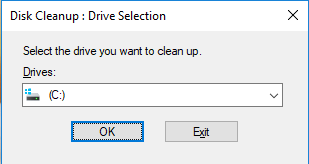
Method 2: Format a Drive with Disk Management
If you want to fully erase a non-system drive — wiping everything on it rather than just clearing temporary files — Disk Management lets you format it directly:
- Right-click This PC and select Manage.
- Select Disk Management from the sidebar.
- Right-click the drive you want to erase and choose Format.
- Give it a Volume Label, and set File System to NTFS.
- Click OK to format the drive.
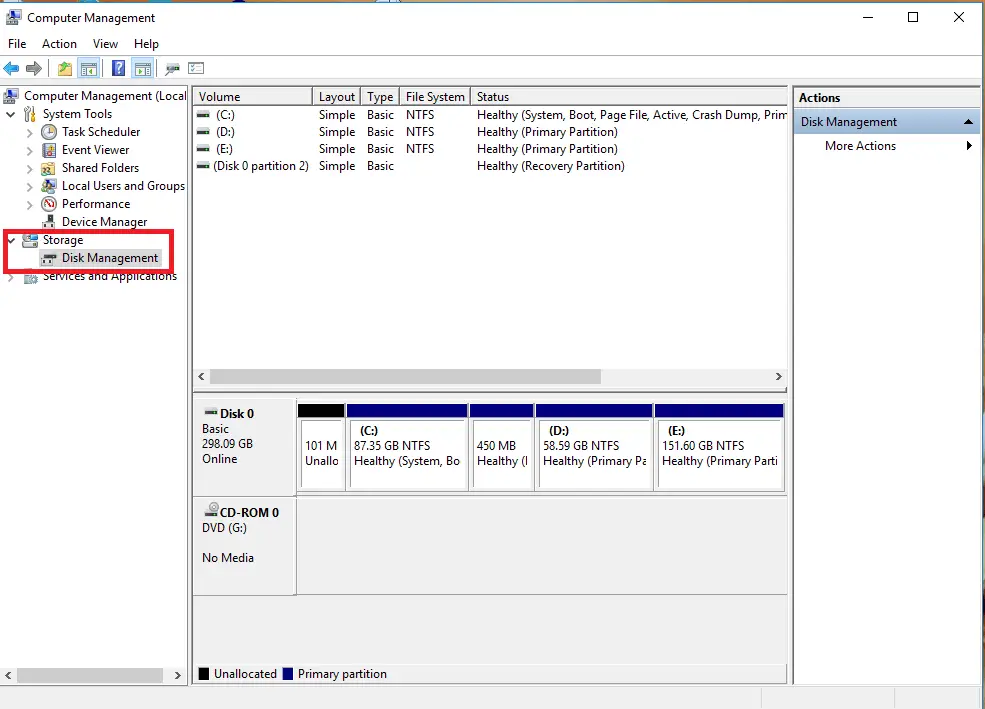
Important: Never format the drive that has Windows installed on it (usually C:) this way — formatting your system drive through Disk Management will break your installation rather than cleanly reinstalling it. For that, use the Reset this PC steps above instead.
What If Reset This PC Doesn’t Work?
Sometimes things don’t go smoothly. If you run into issues like the reset failing or getting stuck, try these fixes:
- Use Advanced Startup
- Hold Shift while clicking Restart.
- Go to Troubleshoot > Reset this PC.
- Create a Bootable USB
- Use Microsoft’s Windows 10 Media Creation Tool.
- Boot from USB and choose Install Windows.
- Check Your Hardware
- If reset keeps failing, your hard drive or memory might be the problem. Run a hardware diagnostic test (most PCs have one in the BIOS menu).
Reset This PC vs Fresh Start vs System Restore
Windows 10 gives you multiple ways to fix problems. Here’s how they differ:
- Reset this PC – Full reinstall. Option to keep or remove files.
- Fresh Start – Found under Windows Security > Device performance & health. Reinstalls Windows with the latest version, keeping personal files but removing most apps (even manufacturer bloatware).
- System Restore – Rolls your PC back to an earlier point in time (only works if you’ve set up restore points).
If your PC just recently started acting up, try System Restore first. If issues persist, use Reset this PC or Fresh Start. If you only need to reclaim space on a drive, the Disk Cleanup or Disk Management methods above are usually enough.
Will resetting remove Windows activation?
No, your Windows license is tied to your hardware. It will remain activated.
Can I undo a factory reset?
Not once it’s complete. That’s why backups are essential.
Does factory reset delete drivers?
Yes, it resets them to defaults. But Windows usually reinstalls the latest drivers automatically.
Is factory reset safe?
Yes, but if you choose Remove everything, all your personal data will be wiped. Back up first.
Does Reset This PC delete Windows itself?
No. Reset this PC reinstalls Windows rather than deleting it — it only removes your apps, settings, and optionally your personal files, depending on whether you choose Keep my files or Remove everything.
Can I wipe just one drive and leave the rest alone?
Yes. During Reset this PC, choose Only the drive where Windows is installed to leave other partitions untouched. To wipe a separate, non-system drive entirely, use Disk Management to format it instead — no reset required.